
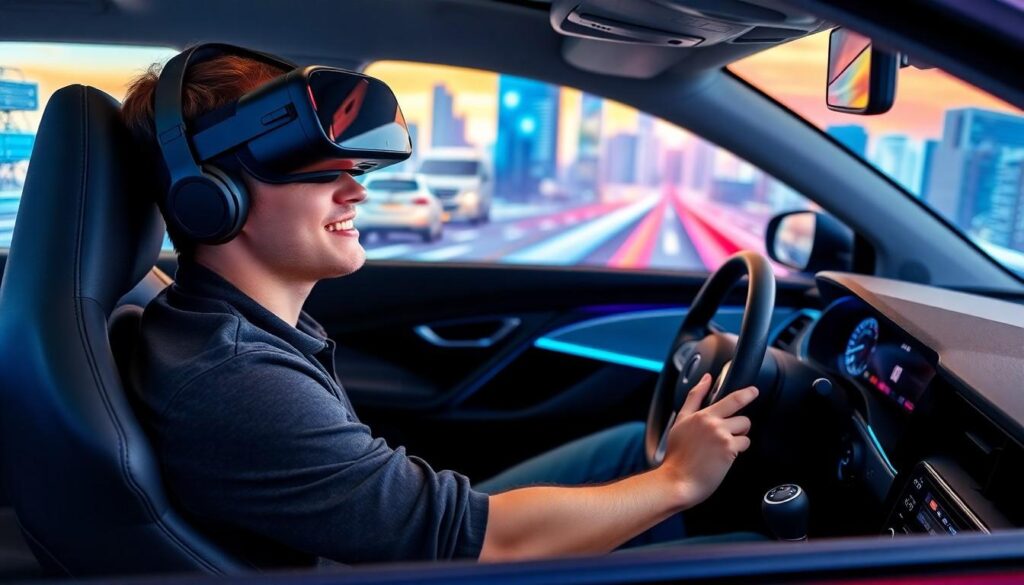
Imagine cruising down the highway, wind in your hair, but wait—there’s no car in sight. Welcome to the world of VR cars, where reality takes a backseat and imagination hits the gas. These virtual vehicles are revolutionizing the way people experience driving, offering a thrill that traditional cars can’t match.
With VR technology, anyone can take a spin in their dream car without ever leaving the couch. Whether it’s zooming through city streets or tearing up off-road trails, the possibilities are endless. Plus, no need to worry about gas prices or traffic jams—just pure, unadulterated fun. Buckle up and get ready to explore how VR cars are changing the game, one virtual mile at a time.
Overview of VR Cars
Virtual reality (VR) cars revolutionize driving experiences by immersing users in dynamic environments. They provide the chance to operate dream vehicles without real-world restrictions.
Definition of VR Car
A VR car refers to a vehicle simulated within a virtual reality environment. Users interact with the car through special headsets and controllers, enjoying a fully immersive experience. Often, VR cars allow individuals to experience realistic driving dynamics, including acceleration, braking, and steering. This technology transcends traditional gaming, placing users directly in the driver’s seat of their desired cars. By utilizing advanced graphics and 3D modeling, VR cars provide an authentic feel, making the experience enjoyable and engaging.
Key Features of VR Cars
Numerous features enhance the appeal of VR cars, making them interesting and engaging. Realistic graphics create immersive driving landscapes, from urban streets to rugged terrains. Interactive controls enable users to manipulate vehicles seamlessly, mimicking real-life driving. Customization options allow individuals to modify car appearance and performance, personalizing their experience. Diverse driving scenarios simulate various challenges, offering excitement and variability. Multi-user capabilities enable friends to join virtual races or experiences, enhancing social interaction. Overall, these features combine to elevate the VR driving experience, capturing the essence of automotive adventure.
Benefits of VR Cars

VR cars offer numerous advantages that significantly enhance driving experiences. Users can immerse themselves in dynamic environments while enjoying the thrill of various vehicles.
Enhanced Driving Experience
Immersive graphics create lifelike scenarios, allowing users to feel as though they’re truly behind the wheel. Controls mimic actual car functions, enhancing realism with features like acceleration and braking. Gamification elements engage users, transforming routine driving into an exciting adventure. Customization options for vehicles allow for personalization, making every user’s experience unique. Users can also switch between diverse driving scenarios, ranging from scenic routes to bustling urban streets, ensuring endless entertainment.
Safety Improvements
VR cars provide a safe environment for driving practice. Exercises in simulated scenarios reduce anxiety for new drivers by familiarizing them with different conditions. Users can learn to navigate tricky situations, such as adverse weather or challenging terrains, without real-world consequences. VR technology enables immediate feedback, which aids in improving driving techniques. Engaging with these simulations helps to sharpen reflexes and decision-making skills, positively impacting overall road safety.
Popular VR Car Models
Several brands have entered the VR car market, each offering unique features and experiences.
Brand A
Brand A stands out in the VR car landscape with its realistic simulations and diverse vehicle options. Known for high-quality graphics, it creates immersive environments that transport users into different driving scenarios. Users can select various terrains, including urban landscapes and rugged off-road trails, enhancing the driving experience. The intuitive control system mimics actual driving mechanics, allowing smooth acceleration and braking. Brand A also offers customization features, enabling users to personalize their vehicles down to the finest detail. Its focus on multiplayer capabilities allows friends to join virtual races, making the experience even more engaging and competitive.
Brand B
Brand B has made a notable impact by prioritizing accessibility and user-friendly design in its VR cars. The brand emphasizes a seamless setup process, allowing users to dive into their virtual adventures quickly. High-quality sound effects enhance realism, creating an immersive auditory driving environment that complements the visual experience. Various simulation modes cater to different skill levels, making it suitable for both beginners and experienced drivers. An extensive selection of vehicles, ranging from classic cars to futuristic models, ensures diversity for all tastes. Brand B’s strong community support further encourages user collaboration, with forums dedicated to sharing tips and experiences.
Challenges and Limitations
Virtual reality cars present several challenges and limitations that users and developers need to address.
Technical Challenges
Developers face numerous technical hurdles when designing VR cars. High-quality graphics demand advanced hardware capabilities. Users may encounter motion sickness due to non-optimized virtual environments. Lag in response times can hinder the immersive experience, causing frustration. Additionally, compatibility with various VR headsets complicates the user experience. The need for continuous updates to software and hardware also strains resources, making it difficult to maintain a seamless experience.
Cost Considerations
Cost plays a significant role in the adoption of VR cars. High-quality VR headsets can range from $300 to $1,000, depending on features. The expense of powerful computers or gaming consoles further raises the investment needed. Creating detailed simulations and realistic graphics incurs substantial development costs for companies, impacting pricing models for consumers. Budget constraints may limit accessibility to the technology, discouraging potential users.
Future of VR Cars
Advancements in virtual reality technology pave the way for the future of VR cars, unlocking innovative experiences for drivers.
Innovations on the Horizon
Developers are exploring enhanced sensory feedback to create a more immersive driving experience. Improved haptic technology will simulate road textures and vibrations, making the virtual environment feel more real. Companies aim to integrate artificial intelligence into VR cars, personalizing driving scenarios and adapting to user preferences. Newer graphics engines are in development to provide even more lifelike visuals and realistic environments. Higher resolution displays will reduce motion blur and enhance clarity during high-speed scenarios. These innovations promise to elevate user engagement and satisfaction.
Market Trends
Growing consumer interest in VR technology signals opportunities for expansion in the automotive sector. Trends indicate a surge in demand for immersive driving experiences, appealing to both enthusiasts and casual users. Competition among brands will likely lead to improved product offerings, fostering innovation and affordability. Emerging markets are witnessing an uptick in VR adoption, driven by advancements in technology and reduced costs. Collaborative features are becoming sought-after, enabling social interactions within virtual driving environments. This shifting landscape positions VR cars as a significant player in both gaming and real-world driving simulations.
The evolution of VR cars is reshaping the way enthusiasts interact with driving. With immersive experiences and realistic simulations users can explore their dream vehicles like never before. The blend of advanced technology and user engagement not only enhances enjoyment but also promotes safer driving practices.
As the industry continues to innovate the potential for VR cars remains vast. The growing interest in these experiences signals a bright future filled with opportunities for both developers and consumers. With advancements in graphics and sensory feedback the driving experience is set to become even more captivating and accessible.


