
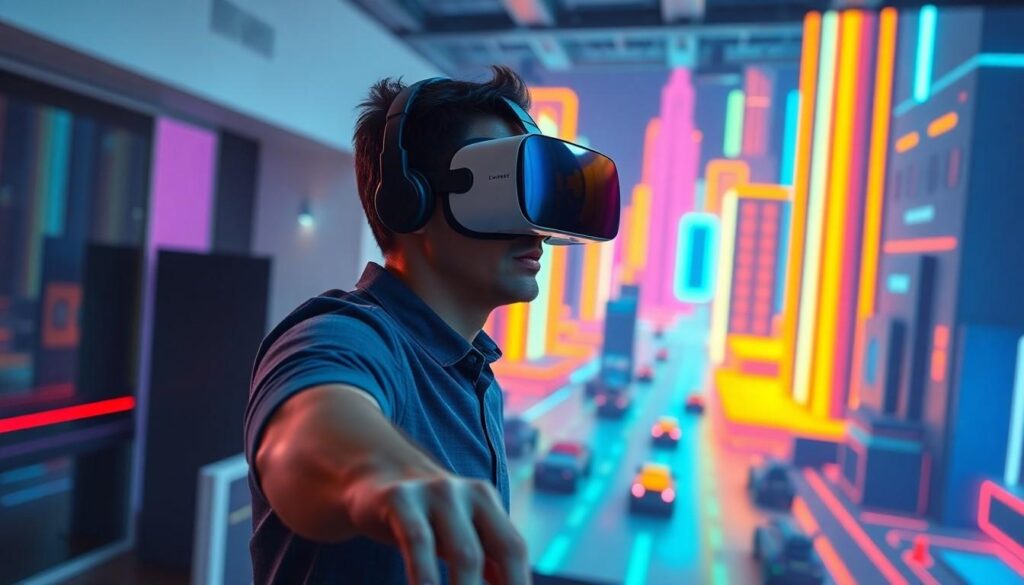
In the fast-paced world of virtual reality, speed is everything. Imagine slipping on a headset and instantly being transported to a thrilling racecourse where your reflexes are put to the ultimate test. Whether it’s zooming through futuristic cities or dodging obstacles in a high-stakes game, VR speed can make or break the experience.
But wait, it’s not just about going fast; it’s about how fast you can go without losing your lunch. With technology evolving at breakneck speed, developers are racing to create immersive environments that push the limits of what’s possible. So buckle up and get ready to explore the exhilarating world of VR speed, where the only limit is your imagination (and maybe your stomach).
Understanding VR Speed
VR speed refers to the responsiveness and quickness perceived in virtual reality experiences. It plays a vital role in enhancing user engagement, making environments more dynamic and lifelike.
Definition of VR Speed
VR speed represents how quickly movements and actions translate within a virtual environment. It encompasses the frame rate, latency, and refresh rate, all contributing to a seamless experience. Frame rates above 90 frames per second ensure fluid motion, while low latency reduces lag between user input and visual response. Refresh rates of 90 Hz or higher enhance visual clarity, creating a sense of immersion. Effective management of these elements is critical, as they directly impact the user’s perception of speed.
Importance in Virtual Reality
Speed in virtual reality significantly affects user experience and satisfaction. High-speed interactions enhance excitement during activities like racing and sports simulations. Users experience greater immersion when the VR environment responds swiftly. Additionally, appropriate speed maintains comfort, reducing the risk of motion sickness. Overall, optimizing VR speed leads to improved performance and increased user retention in virtual experiences. As technology advances, understanding the nuances of speed becomes essential for developers in creating captivating VR content.
Factors Affecting VR Speed

VR speed results from various factors that interplay in virtual environments, including hardware limitations and software optimizations.
Hardware Limitations
Hardware components dictate the performance of VR systems. Graphics processing units (GPUs) influence frame rates, while central processing units (CPUs) affect overall responsiveness. Lower-quality hardware might struggle to keep up with demanding VR applications, leading to stuttering and increased motion sickness risks. Compatibility also plays a role; older systems might not support cutting-edge features necessary for optimal experiences. Additionally, bandwidth from internet connections becomes a factor, especially in multiplayer VR, where delayed responses can disrupt immersion. Maintaining updated hardware ensures users experience the full potential of VR speed.
Software Optimizations
Software configurations directly enhance VR speed. Developers focus on optimizing code to reduce latency and improve frame rates, ensuring fluid interactions. Advanced algorithms for rendering can cut down on the load time for graphics, providing a seamless visual experience. Optimizations in user interfaces also contribute; reducing unnecessary animations can help maintain a stable performance. Finally, utilizing adaptive quality settings allows the software to adjust graphics based on hardware capabilities, balancing visual fidelity and responsiveness. Continuous software updates ensure improvements align with the latest technological advancements.
Measuring VR Speed
Measuring VR speed involves assessing various components that contribute to user experience. Accurate measurement ensures the effectiveness of VR systems.
Tools and Techniques
Different tools exist to test VR speed effectively. Frame rate monitoring software helps determine the number of frames rendered per second. Latency testers measure the delay between user input and visual response, revealing potential performance issues. Profiling tools analyze hardware performance to gauge optimal settings for smooth experiences. These techniques provide developers with crucial insights for enhancing responsiveness and immersion.
Benchmarking Standards
Establishing benchmarking standards is essential for evaluating VR speed objectively. Industry-standard metrics like frame rates of 90 FPS and refresh rates of 90 Hz serve as benchmarks for high-quality experiences. Developers often rely on established testing protocols to ensure consistency in measurements. Tools measuring latency promote standards for acceptable delay levels, fostering an environment for continuous improvement. Adhering to these benchmarks allows for precise comparisons across different VR systems, ultimately promoting better user satisfaction.
Impact of VR Speed on User Experience
VR speed plays a crucial role in shaping user experiences. Factors such as latency, frame rates, and refresh rates determine how individuals perceive their virtual environments.
Latency and Motion Sickness
High latency often leads to noticeable delays between user actions and visual responses, contributing to feelings of disorientation. Individuals experiencing lag may also face increased motion sickness risks, as their brain struggles to reconcile visual inputs with physical movements. By maintaining low latency below 20 milliseconds, developers can significantly enhance comfort. Consistency in latency minimizes discomfort during high-speed actions, allowing users to fully engage with the VR experience. Regular testing and optimization can effectively reduce latency, leading to a smoother overall interaction.
Enhanced Immersion and Performance
Crafting a speedy VR environment elevates immersion and performance simultaneously. Higher frame rates enhance visual fluidity, making scenes appear more lifelike. Aiming for frame rates above 90 frames per second ensures minimal stuttering, enriching user engagement. Enhanced performance through optimized responsiveness fosters excitement, keeping users captivated. Real-time feedback in fast-paced scenarios allows for instinctive reactions, further solidifying the immersive quality of VR. Developers committed to constant improvements in both speed and performance create memorable, enjoyable experiences that resonate with users.
Future Trends in VR Speed
The future of VR speed likely hinges on technological advancements and evolving industry dynamics. Enhanced hardware, including next-generation GPUs and CPUs, promises to elevate VR performance. Developers strive for improved latency and frame rates, focusing on fine-tuning rendering techniques.
Advancements in Technology
New technologies show potential to significantly improve VR speed. Innovations like eye-tracking capabilities enhance responsiveness, allowing systems to prioritize rendering in areas of focus. Cloud computing also offers scalability for processing power, enabling high-speed experiences without relying solely on local hardware. As VR headsets evolve, features such as higher refresh rates and improved optics contribute to realistic visuals, fostering smoother interactions. Assessing speed metrics becomes easier through advanced testing tools that provide real-time feedback, supporting developers in optimizing performance for better user experiences.
Predictions for the Industry
Market experts anticipate rapid growth in the VR sector, with speed becoming a focal point in development. Industry analysts project a compound annual growth rate (CAGR) of 30% for the VR market through the next few years. As competition intensifies, companies will prioritize optimizing speed and responsiveness in their products. Additionally, user demand for realistic and immersive experiences drives innovation. Future applications in fields like gaming, education, and training will require high-performance VR solutions capable of delivering seamless interactions. Emphasis on speed and performance directly correlates with user satisfaction and overall adoption rates, shaping the future landscape of virtual reality.
VR speed plays a pivotal role in shaping immersive experiences. As technology advances, the need for high performance becomes increasingly critical. Developers are tasked with optimizing hardware and software to ensure low latency and high frame rates. This not only enhances user satisfaction but also promotes retention in virtual environments.
Future trends suggest that innovations like next-generation GPUs and cloud computing will further refine VR speed. As the market evolves, the focus on speed and performance will be essential for creating engaging applications across various sectors. The potential for growth in VR hinges on the ability to deliver seamless and exhilarating experiences that captivate users.


